innovate advance engage educate
Maximized engagement. Maximized impact.
Paradigm Medical Communications delivers award-winning medical education designed to advance clinical knowledge and enhance patient care.
Through innovation, scientific rigor, and continuous refinement, we create evidence-based programs that engage diverse healthcare audiences and drive measurable outcomes and lasting impact.
CME Spotlight
Program Overview
Join this discussion among expert retina specialists who discuss management of diabetic macular edema (DME). With an abundance of therapeutic options, what patient characteristics inform treatment decisions? Does the number of loading doses influence long-term macular fluid outcomes? How are you managing insurance-mandated step-therapy in your patients? Listen to the different DME management approaches taken as our faculty shares how they integrate new anti-vascular endothelial growth factor therapies into clinical practice.
CME Spotlight
Program Overview
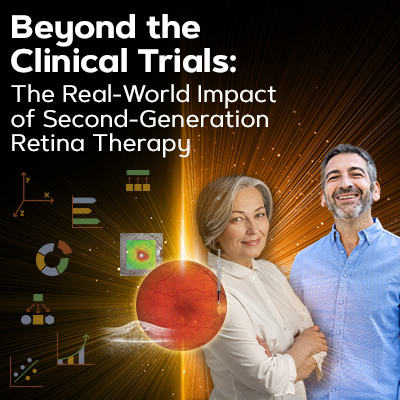
The true test of any therapy is how it performs in clinical practice, under realistic conditions and in a wide range of patients. Join us for expert discussion of real-world data that are emerging to illuminate practice patterns and outcomes among the large and heterogeneous group of patients who are receiving second-generation retina therapy for neovascular retinal disease in the real world, including the expanding role of biomarkers—and what this means for your practice.
CME Spotlight
Program Overview
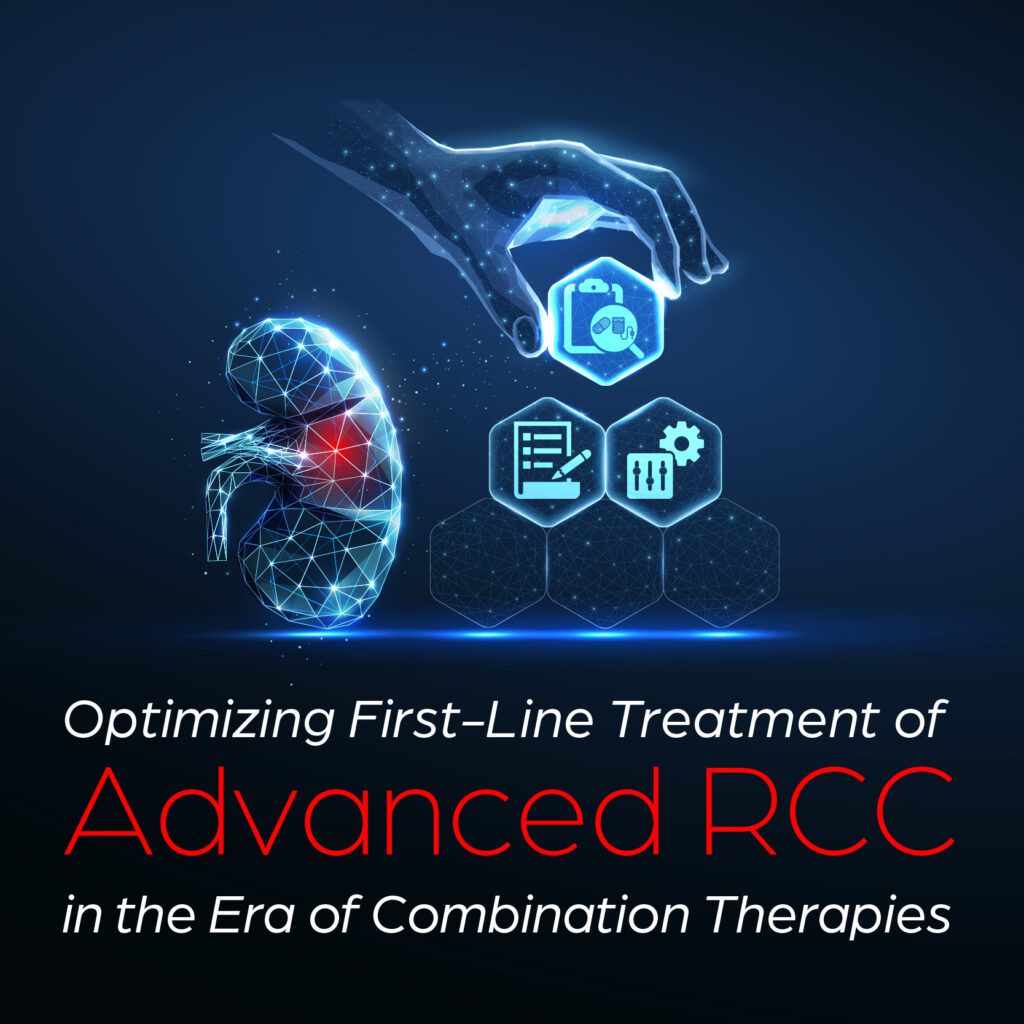
Stay current in the rapidly evolving landscape of advanced renal cell carcinoma care. This interactive infographic delivers the latest long-term clinical trial data and guideline updates on immune checkpoint inhibitor (ICI)-based combinations, including ICI + tyrosine kinase inhibitor and dual ICI regimens across clear-cell and non–clear-cell disease. Gain actionable expert insights on treatment selection, key differences in dosing and schedules, efficacy, response onset, and adverse event (AE) profiles. This self-directed activity also explores optimal sequencing strategies and AE management to help clinicians translate evidence into improved patient outcomes.
CME Spotlight
Program Overview
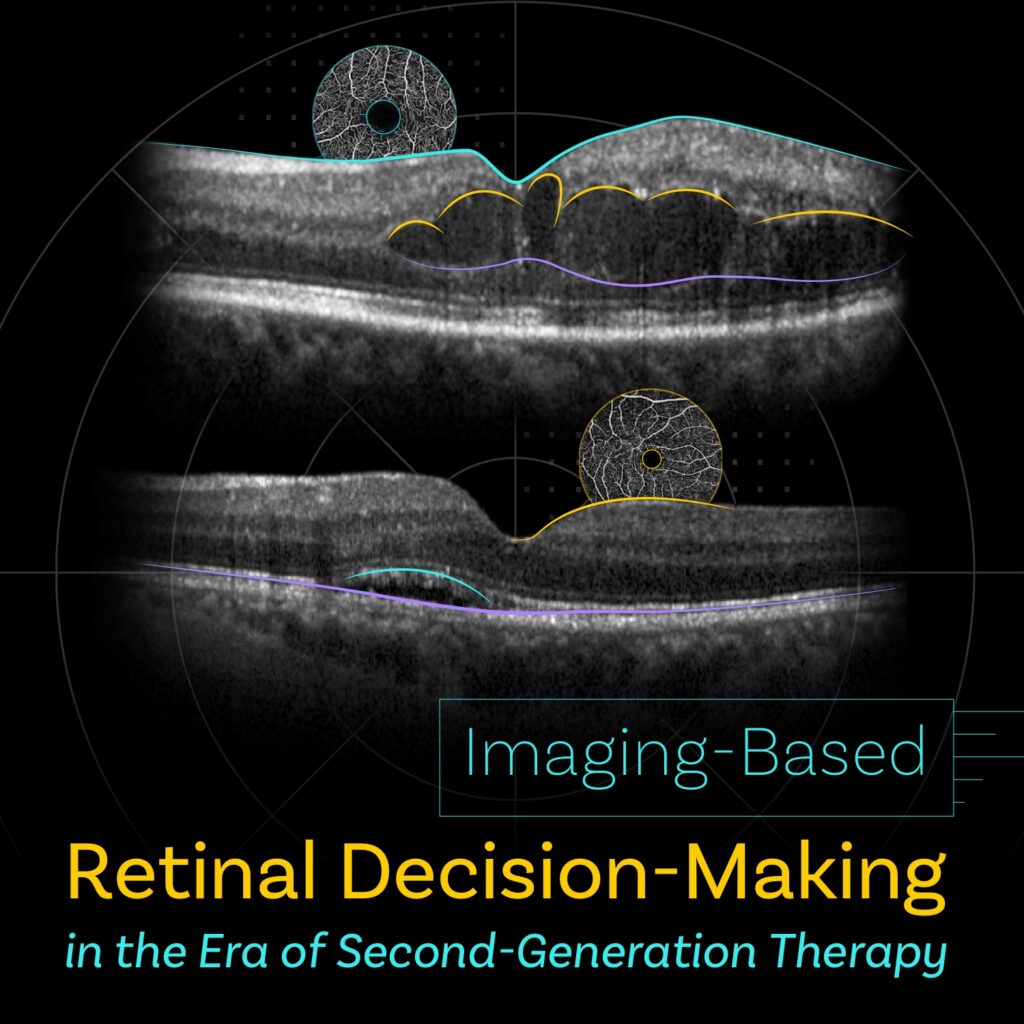
Advances in the imaging and treatment of neovascular retinal disease are emerging rapidly, presenting opportunities for more precise and individualized care of patients with neovascular age-related macular degeneration) and diabetic macular edema. Alongside these innovations, real-world data are helping to fill in gaps left by clinical trial data and highlight potential imaging-based best practices related to agent selection and dosing interval decisions. This activity illustrates the treatment effects guided by retina specialist imaging experts.
CME Spotlight
Program Overview
Join this virtual case-based CME activity that explores IDH and FLT3 mutations and how they influence prognosis and guide targeted therapy decisions in patients with acute myeloid leukemia (AML). Our expert faculty will discuss clinical data supporting IDH1/2 inhibitors and FLT3-targeted agents and review treatment sequencing, resistance patterns, and integration of novel therapies into practice. The conversation will also take a deep dive into precision medicine and evidence-based care strategies to treat patients with AML who have these actionable mutations.
In Collaboration With:

CME Spotlight
Program Overview
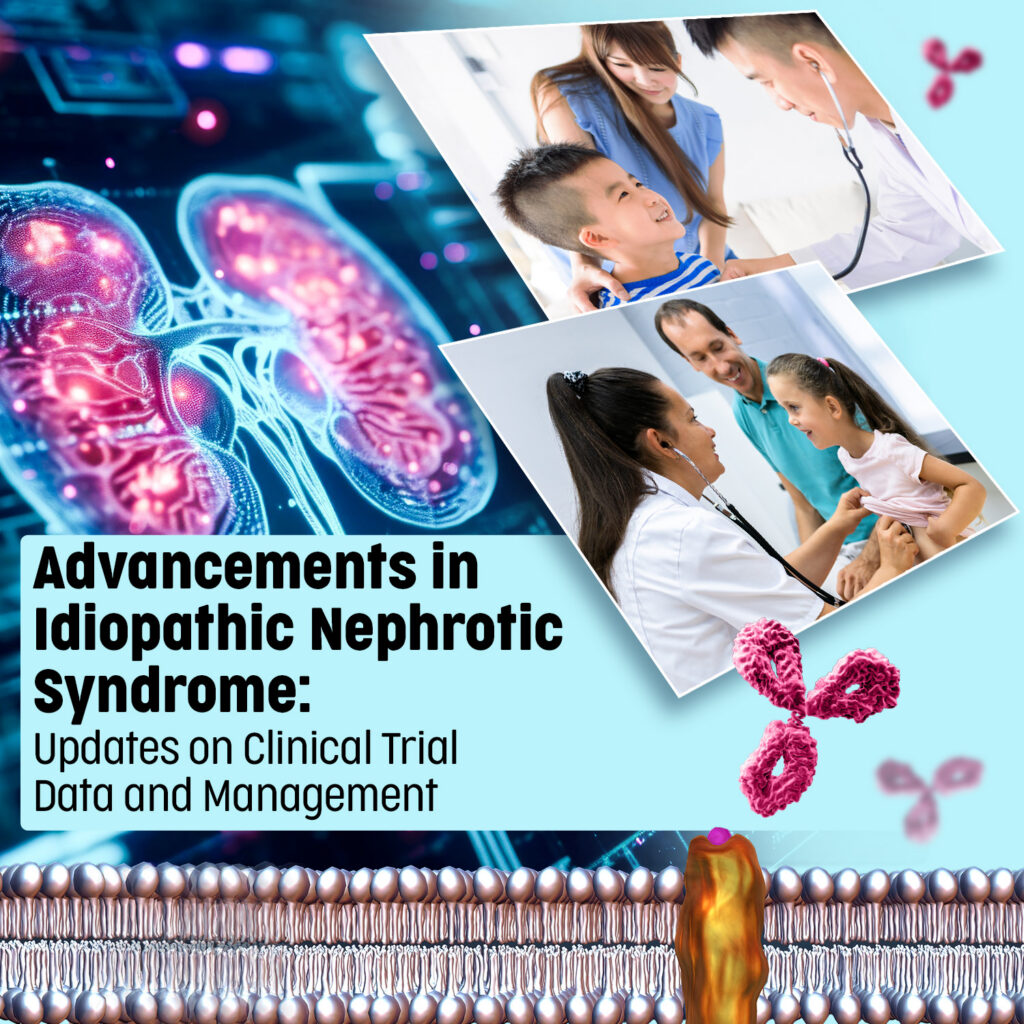
Childhood idiopathic nephrotic syndrome, the most common pediatric glomerular disease, is associated with high treatment-related morbidity. Although most patients attain remission with corticosteroid therapy, a subset experience frequently relapsing (FRNS) or steroid-dependent NS (SDNS), creating a complex and challenging treatment scenario requiring consideration of steroid-sparing strategies that are not without adverse effects. This activity will review current guidelines for FRNS and SDNS, examine emerging clinical trial data on anti-CD20 therapies—including rituximab and investigational agents such as obinutuzumab—and address real-world treatment challenges through clinical case scenarios presented by our expert faculty.

CME Spotlight
Program Overview
This dynamic CME program blends interactive case consultations with a data-driven deep dive into long-acting injectables (LAIs) for schizophrenia. Through engaging real-world scenarios, learners will explore barriers and biases that influence LAI utilization and discover communication strategies that foster shared decision-making with patients and caregivers. A comprehensive evidence review highlights innovative LAIs, their attributes, and the latest clinical trial findings, offering practical insights for treatment planning. This unique format equips clinicians with both the knowledge and the skills to optimize adherence, improve outcomes, and confidently integrate LAIs into patient care.
CME Spotlight
Program Overview
This interactive infographic will focus on the pathophysiology of Sjögren’s disease (SjD), supporting the rationale for the mechanisms of action of emerging targeted B-cell treatments in SjD and clinical data. This will include discussions of trial designs and outcomes measured, including impact on quality of life. The faculty discussions will reflect on treatment targets and highlight potential clinical applications of emerging agents.
This activity is jointly provided by Paradigm Medical Communications, LLC and Educational Review Systems, Inc.


In collaboration with Sjögren’s Foundation.

CME Spotlight
Program Overview
The landscape regarding diagnosis and treatment of human epidermal growth factor receptor 2 (HER2)-low and -ultralow mBC continues to evolve. This case-based discussion will include perspectives from medical oncology, pathology, and patients covering topics from testing and diagnosis to treatment. Our expert faculty will discuss clinical trial data of new and emerging antibody-drug conjugates (ADCs), updated recommendations for optimal treatment selection, and how to manage ADC-specific adverse events. Clinical decision-making will be highlighted through a patient perspective, supported by evidence-based strategies that assess HER2-low and HER2-ultralow expression profiles.
CME Spotlight
Program Overview
The management of neovascular age-related macular degeneration (nAMD) is evolving. New therapeutic agents such as aflibercept 8 mg and faricimab have been added to the treatment landscape. New approaches to imaging and anatomic biomarker assessment are being used to track the sequelae of nAMD and response to anti-vascular endothelial growth factor therapy. Three cases are presented illustrating the complexity of managing nAMD. Test your clinical decision skills and nAMD management abilities in this sorting game CME activity.
CME Spotlight
Program Overview
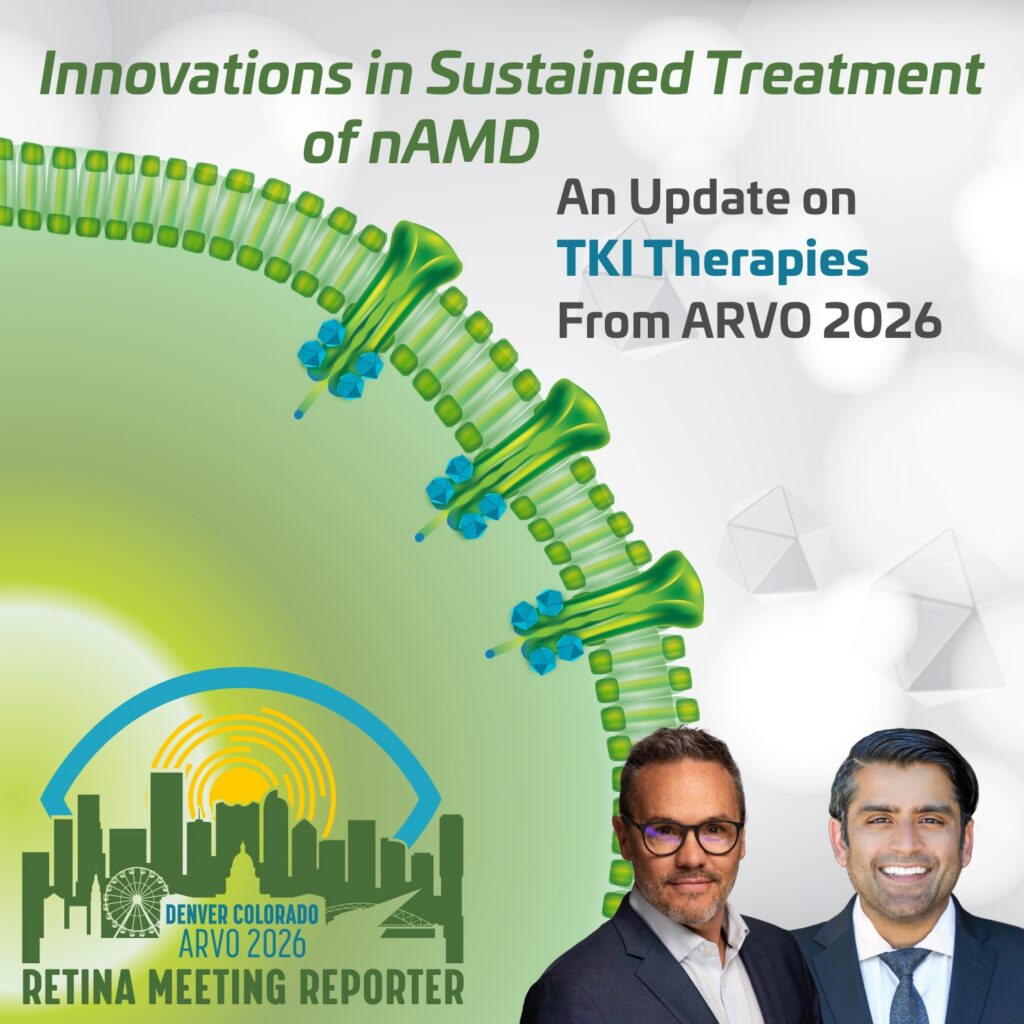
Ocular tyrosine kinase inhibitors (TKIs) are poised to redefine the treatment of nAMD. Through cutting-edge data delivered straight from the podium of the Association for Research in Vision and Ophthalmology 2026 Annual Meeting, explore how these emerging therapies may enable long-acting disease control while reducing treatment burden, potentially reshaping the standard of care. Don’t miss this opportunity to stay ahead of the curve as the next generation of nAMD therapeutics moves closer to clinical reality.

CME Spotlight
Program Overview
New treatment options such as anti-vascular endothelial growth factor (VEGF) therapies and advances in imaging technologies have changed the standard of care for retinal vein occlusion (RVO). What anti-VEGF agents are recommended as first-line therapy for RVO? Are the anti-VEGF agents successful in treating macular edema secondary to RVO?
Join Dr Katherine Talcott as she discusses the most up-to-date facts about who is diagnosed with RVO and what options are recommended by the American Academy of Ophthalmology Preferred Practice Pattern to treat macular edema secondary to RVO.
CME Spotlight
Program Overview
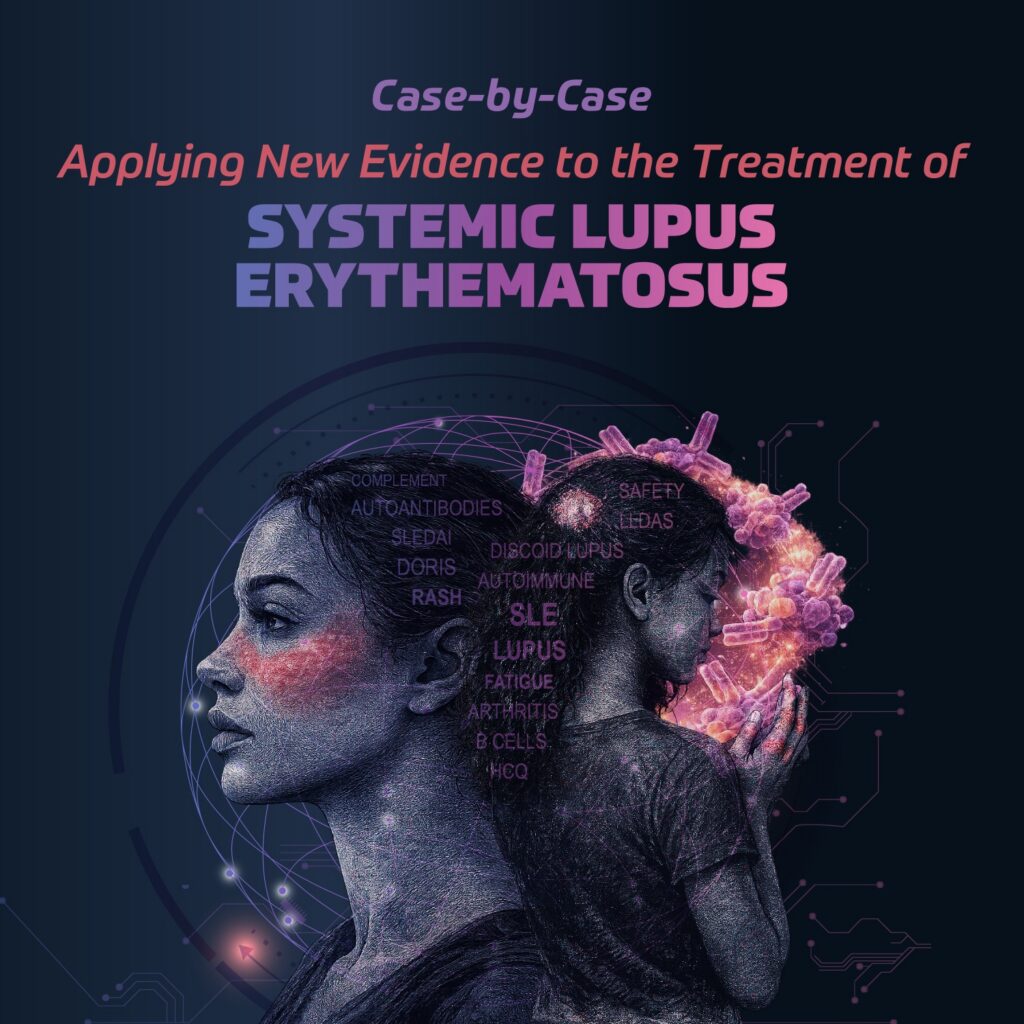
The treatment of nonrenal systemic lupus erythematosus (SLE) is expected to evolve as new agents emerge for treatment. How do these agents work? What are the efficacy and safety data? And how should these be incorporated into guideline-aligned treatment of SLE? Our faculty discusses these in the context of 2 case examples illustrating their thought process in selecting treatment for SLE.
CME Spotlight
Program Overview
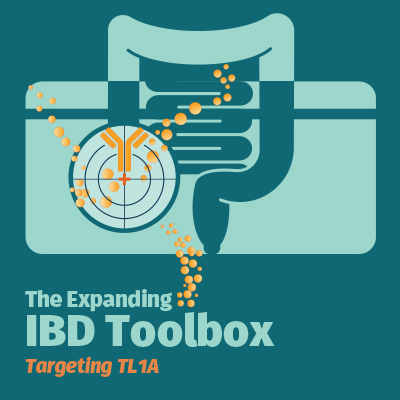
Despite an expanding array of advanced therapies for IBD, many patients with moderate to severe disease remain refractory to current options. Anti- tumor necrosis factor-like ligand 1A (TL1A) agents represent a promising new class targeting TL1A, a cytokine implicated in IBD pathogenesis. Experts review the current landscape and contextualize emerging data that suggest TL1A blockade may deliver meaningful clinical outcomes. As late-phase trials progress, clinicians should stay informed on this novel mechanism of action and its potential role in personalized treatment strategies for IBD.
CME Spotlight
Program Overview
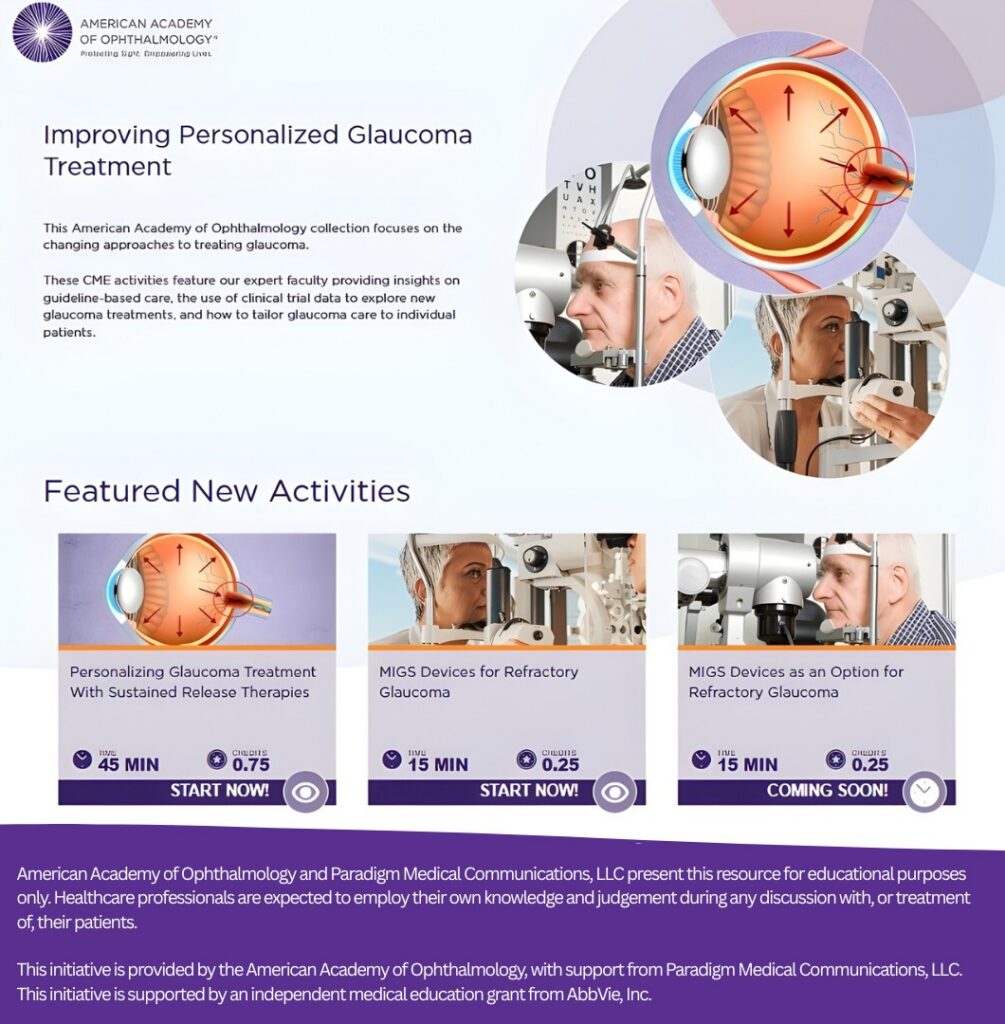
This American Academy of Ophthalmology collection focuses on the changing approaches to treating glaucoma.
These CME activities feature our expert faculty providing insights on guideline-based care, the use of clinical trial data to explore new glaucoma treatments, and how to tailor glaucoma care to individual patients.
CME Spotlight
Program Overview
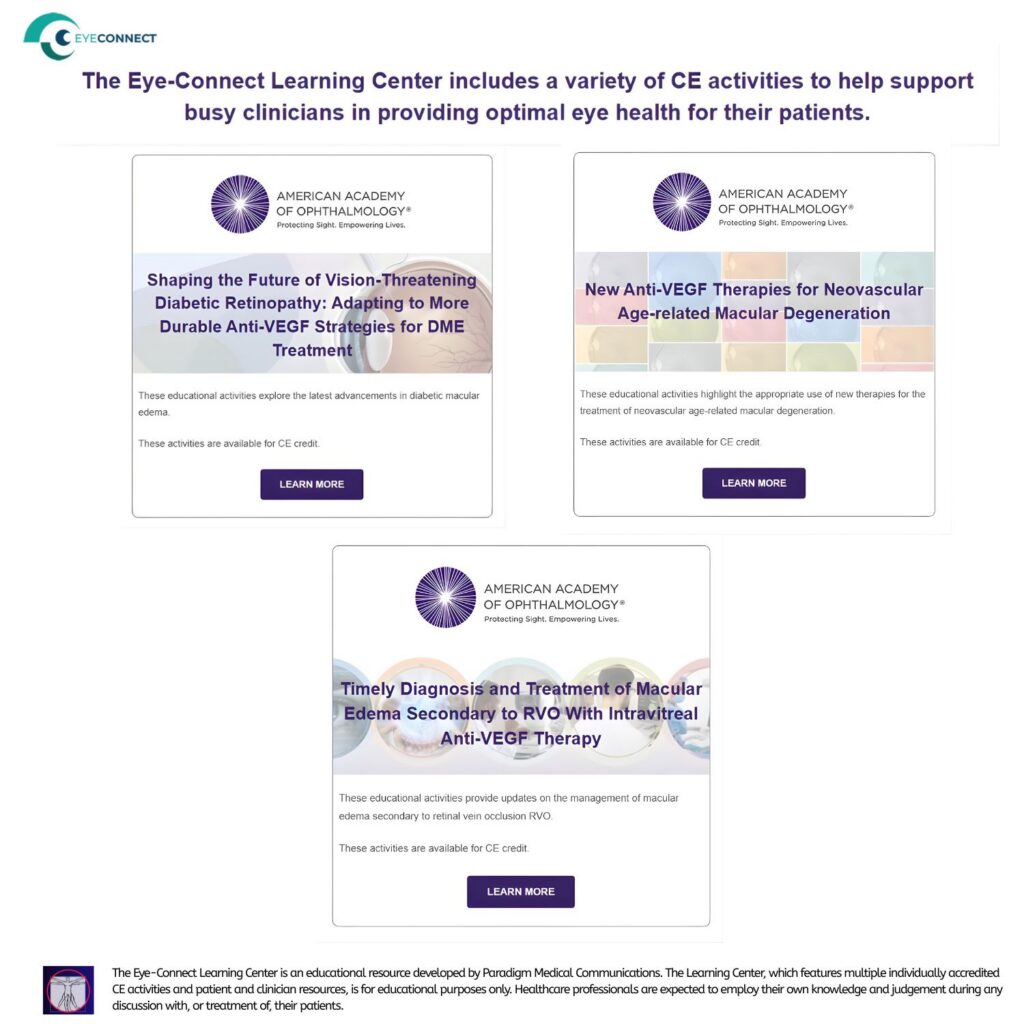
The Eye-Connect Learning Center is an educational resource developed by Paradigm Medical Communications. The Learning Center, which features multiple individually accredited CE activities and patient and clinician resources, is for educational purposes only. Healthcare professionals are expected to employ their own knowledge and judgement during any discussion with, or treatment of, their patients.
Our Educational Design Process Puts Us Ahead

Practice gaps, educational needs, target audiences, desired outcomes.

Learning objectives, educational formats, timely content, assessment strategies.

Tailored learning plans to put education into action.

Feedback and data from multiple sources throughout the life cycle of the initiative.
Recognized By
Throughout its more than 20-year history of providing quality continuing education for healthcare professionals, Paradigm has been the proud recipient of numerous awards from various professional organizations concerned with innovation and improvement in the CME field.